Bamboo Flooring A Sustainable, Stylish, and Smart Choice for Modern Spaces
Bamboo flooring has become one of the most sought-after options among homeowners, designers, and eco-conscious builders — and for good reason. Its clean, contemporary aesthetic paired with excellent durability makes it an appealing alternative to traditional hardwood. In today’s world, where sustainability matters and design trends evolve rapidly, bamboo stands out as a versatile, resilient, and environmentally responsible flooring solution.
Below is a comprehensive look at why bamboo flooring continues to rise in popularity, how it compares to other common flooring types like Wooden Linoleum Flooring, Textured Wood Flooring, and Engineered Wood Flooring, and why it’s also a top consideration in markets such as Flooring Dubai.
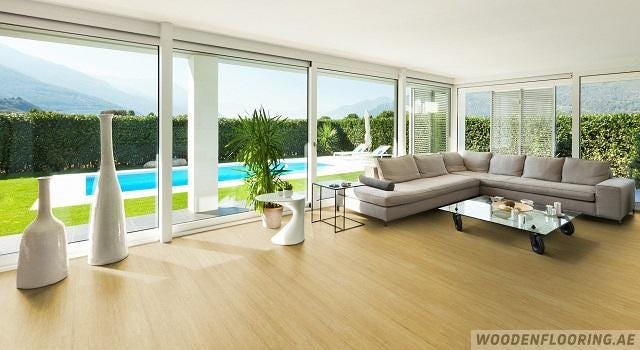
Why Bamboo Flooring Is Gaining Momentum
One of the biggest appeals of bamboo flooring is sustainability. Bamboo grows remarkably fast — some species mature in just 3–5 years — making it a renewable resource that doesn’t contribute to deforestation. It offers the beauty of hardwood with a significantly smaller environmental footprint.
Beyond sustainability, bamboo flooring delivers consistent design versatility. It’s available in a wide range of finishes, from natural blonde tones to deep carbonized shades. Some varieties are manufactured to mimic the tactile richness of Textured Wood Flooring, making bamboo suitable for both rustic and modern interiors.
Durability is another major benefit. Strand-woven bamboo, in particular, boasts an impressive hardness level that exceeds many traditional hardwoods. This makes it ideal for high-traffic homes and even commercial environments where flooring takes a daily beating.
Advantages of Bamboo Flooring
Eco-Friendly and Renewable
Unlike hardwood trees that require decades to mature, bamboo regenerates rapidly and can be harvested without damaging root systems. This makes bamboo one of the most sustainable building materials available today.
Exceptional Durability
Strand-woven bamboo can be harder than oak, maple, and many other traditional woods. Its resilience makes it a great choice for bustling households, office areas, and retail spaces — similar environments where Engineered Wood Flooring is commonly used for its stability.
Aesthetic Flexibility
From sleek contemporary finishes to warm, earthy hues, bamboo fits effortlessly into nearly any design concept. Homeowners seeking an alternative to Wooden Linoleum Flooring often find bamboo provides the natural elegance they desire without compromising performance.
High Dimensional Stability
Bamboo flooring handles temperature shifts and humidity changes better than many hardwoods. This stability is one reason why bamboo has become increasingly popular in markets known for climate variations such as Flooring Dubai.
Easy Installation Options
Whether floating, gluing, or nailing, bamboo flooring offers flexibility in installation methods, making it manageable for professionals and confident DIY enthusiasts alike.
Common Applications of Bamboo Flooring
Thanks to its strength and aesthetic adaptability, bamboo flooring is used in a wide variety of settings:
Residential Spaces
Living rooms, bedrooms, hallways, and even kitchens benefit from bamboo’s durable and stylish surface. Its smooth or textured finishes can create everything from minimalist Scandinavian looks to warm, inviting family spaces.
Commercial Properties
Retail stores, offices, and studios often depend on flooring that can withstand continuous foot traffic. Bamboo mirrors the performance of Engineered Wood Flooring while adding an eco-friendly advantage.
Hospitality Projects
Hotels, lounges, and restaurants choose bamboo for its visual appeal and resilience. It can replicate the same richness that people appreciate in Textured Wood Flooring, but with more sustainability.
International Markets
In fast-growing regions like Flooring Dubai, bamboo is chosen for its durability under fluctuating temperatures and its contemporary, upscale appearance.
Maintenance Tips for Long-Lasting Bamboo Floors
While bamboo is durable, proper care will ensure it retains its beauty for decades:
Regular Cleaning: Sweep or vacuum frequently to remove dust and abrasive particles.
Avoid Excessive Water: Use a damp — not wet — mop to prevent moisture absorption.
Use Protective Pads: Place felt pads under furniture to minimize scratches.
Refinish When Needed: Quality bamboo floors can be refinished to refresh their appearance.
Control Indoor Climate: Maintain moderate humidity levels for optimal performance.
With these simple habits, bamboo flooring can often outlast comparable materials like Wooden Linoleum Flooring while requiring less intensive upkeep.
Why Bamboo Could Be the Perfect Choice
Bamboo flooring strikes a rare balance between style, sustainability, and strength. It offers the beauty of natural wood, the durability of modern manufacturing techniques, and an eco-friendly profile that appeals to today’s conscious consumers. Whether you’re comparing it with Wooden Linoleum Flooring, exploring alternatives to Textured Wood Flooring, or considering its performance alongside Engineered Wood Flooring, bamboo consistently stands out as a smart investment.


Comments
Post a Comment